How to Choose the Right Artificial Turf for Different Projects
When customers contact us about artificial grass, one of the first questions is usually:
“Which turf is the best choice for my project?”
The answer depends on the application.
There is no single artificial grass product that fits every situation. A garden, football field, gym training area, and commercial landscape project all have different requirements. Before production, we usually recommend customers consider several important factors to make sure the selected turf matches the actual application.
Understand the Application First
The purpose of the project is the first thing to confirm.
For landscaping projects, customers often focus on appearance, softness, and long-term outdoor performance. A natural-looking yarn shape, suitable pile height, and comfortable surface feel are usually important considerations.
For sports applications, performance requirements become more specific. Factors such as ball movement, surface stability, drainage, and durability need to be considered according to the type of sport and usage frequency.
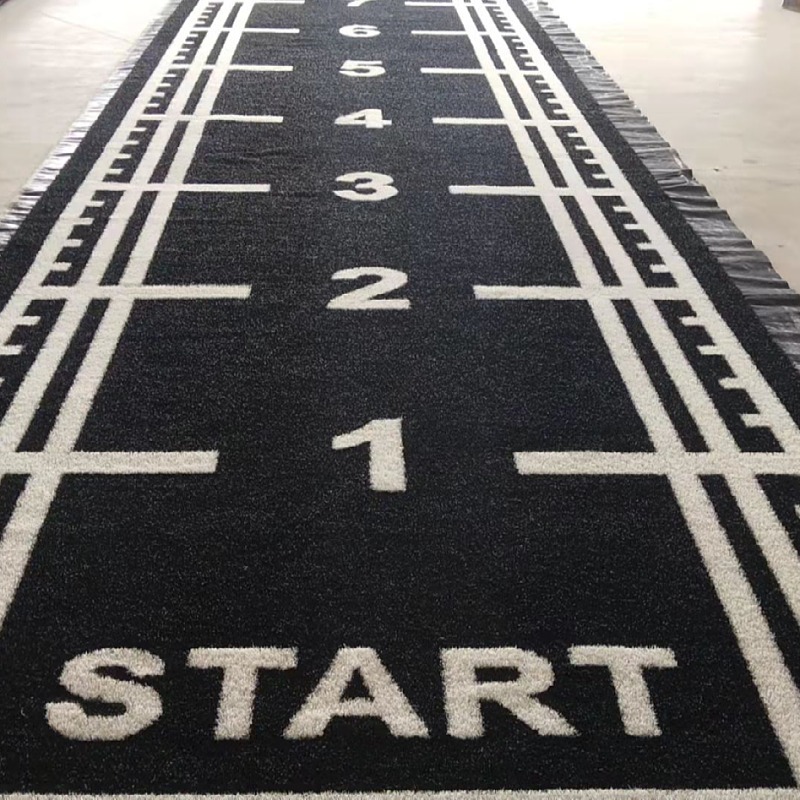
For gym turf, the focus is different again. Training areas may require a surface that can handle repeated movement, sled pulling, and heavy daily use.
Understanding the application helps buyers avoid choosing a product based only on appearance.
Pay Attention to Key Specifications
Many buyers compare artificial grass mainly by price, but product specifications have a direct influence on the final result.
Some important specifications include:
- Pile height
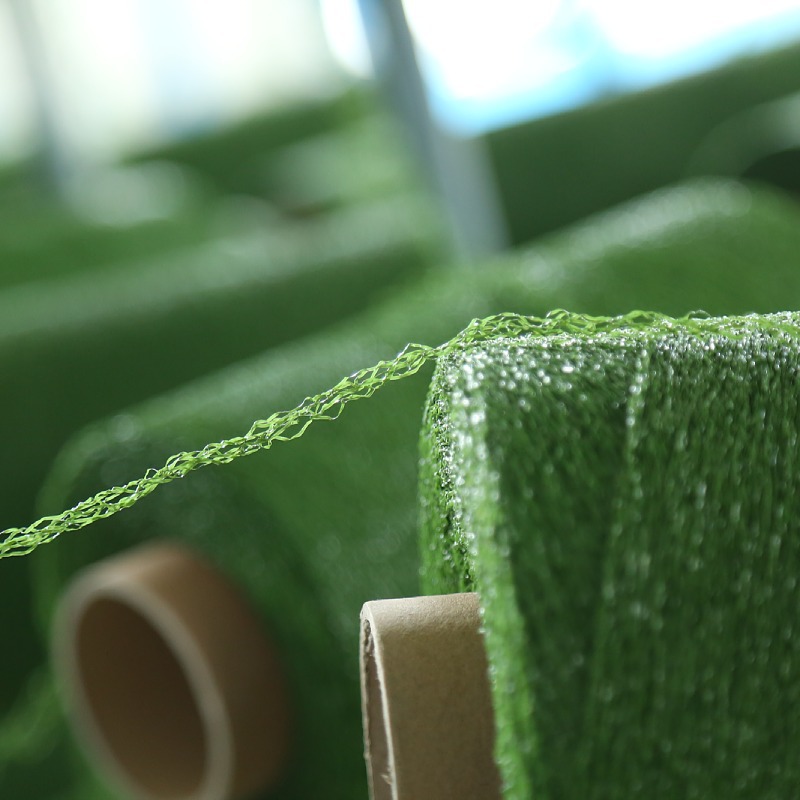
- Yarn type
- Dtex
- Density
- Backing structure
- Total weight
- Drainage design
- UV resistance
For example, a higher pile height does not always mean a better product. A shorter pile may be more suitable for some high-traffic areas because it can be easier to maintain.
Similarly, higher density can create a fuller appearance, but buyers should also consider the balance between performance, budget, and project requirements.
A professional supplier should help customers understand these differences instead of only recommending the highest specification.
Consider Installation Conditions
Artificial turf performance depends not only on the product itself but also on how it matches the installation environment.
Before confirming an order, it is helpful to provide:
- Project size
- Site layout
- Indoor or outdoor application
- Expected usage
- Local weather conditions
- Preferred roll size
For larger projects, a simple drawing can help manufacturers understand the required cutting layout and recommend suitable roll dimensions.
This can help reduce unnecessary waste and make the installation process more efficient.
Product Quality Starts During Production
As a manufacturer, we understand that consistent production is important for every order.
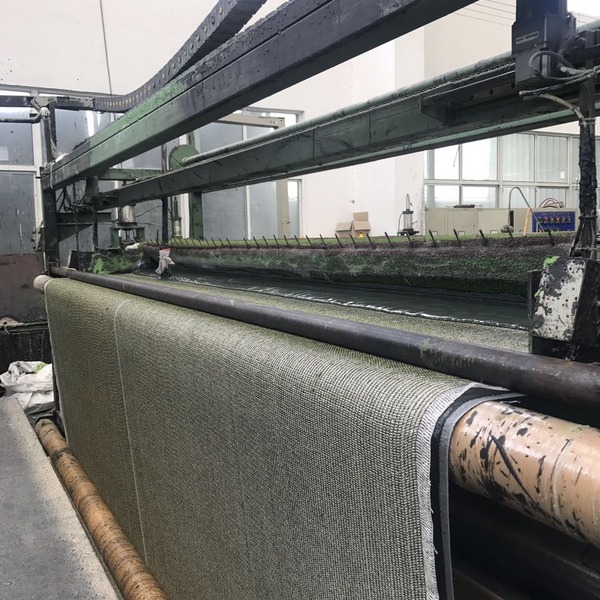
During production, artificial grass goes through several processes, including yarn production, tufting, backing, coating, inspection, and packing.
Quality checks usually include:
- Yarn appearance
- Pile height consistency
- Roll dimensions
- Surface weight
- Backing condition
- Final appearance inspection
For overseas buyers, these production details are especially important because checking the product before shipment helps reduce communication problems after delivery.
Working with the Right Manufacturer
For distributors, contractors, and project buyers, choosing a suitable manufacturer is about more than price.
A reliable supplier should be able to provide:
- Clear product specifications
- Sample confirmation
- Stable production capability
- Flexible customization options
- Professional communication
Different projects may require different solutions, and good communication before production can help both sides avoid misunderstandings.
For example, customers may need customized colors, specific roll sizes, logo designs, or different backing options. Discussing these requirements early allows the manufacturer to prepare the production plan correctly.
Final Thoughts from a Manufacturer’s Perspective
Selecting artificial turf is a process of matching the product with the project.
The most suitable turf is not always the tallest, densest, or most expensive option. It is the product that fits the application, installation conditions, and expected usage.
For buyers, providing detailed project information and discussing requirements with an experienced manufacturer can make the selection process much easier.
A good artificial grass project starts with choosing the right product before production begins.
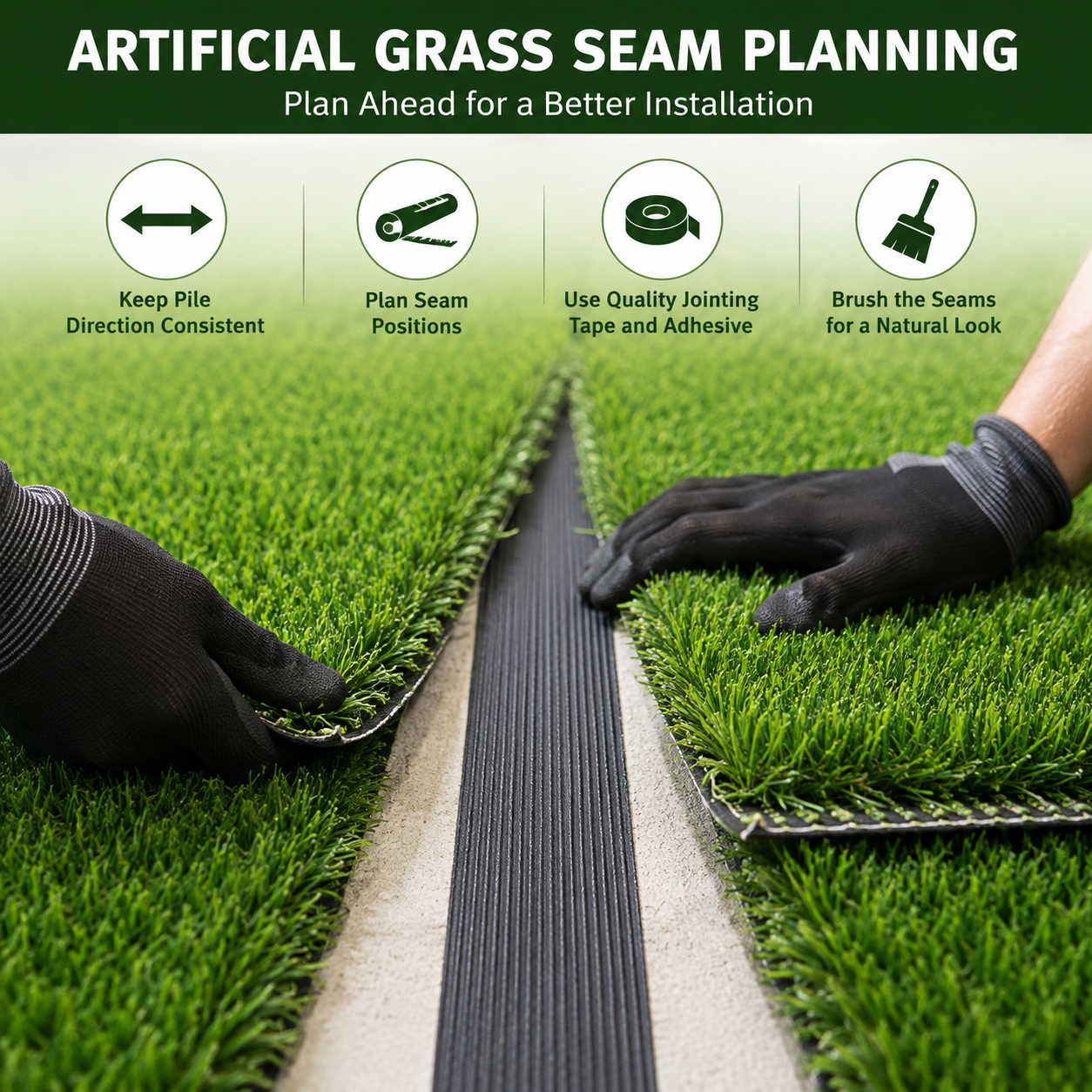 Why Seam Planning Matters Before Artificial Grass Installation