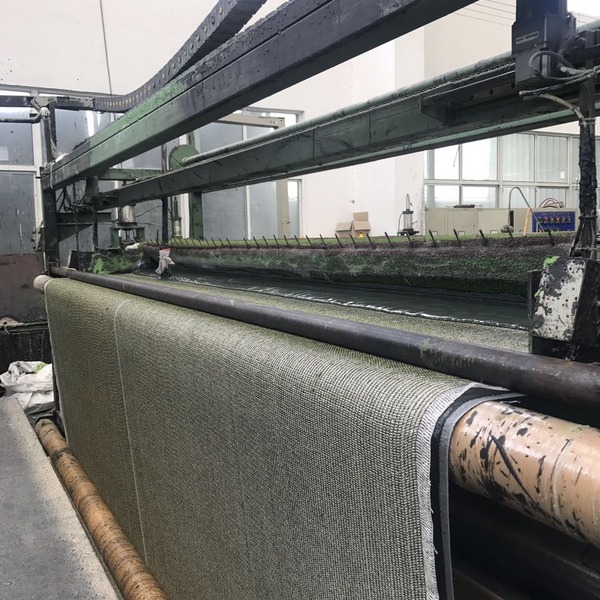
Tufting
Tufting Machine for Artificial Turf Production
The Tufting Machine is a critical piece of machinery in the production of artificial turf, responsible for inserting synthetic fibers into a backing material to create the structure of the grass. This process, known as tufting, gives the artificial turf its unique texture, density, and durability, mimicking the natural appearance of grass.
Key Functions:
Fiber Insertion
The tufting machine uses needles to insert synthetic grass fibers into a backing fabric, creating a dense, uniform structure. These needles move in a specific pattern to ensure the fibers are inserted at the right depth, contributing to the turf's realistic look and feel.Customization of Pile Height
The machine allows precise control over the pile height, which refers to the length of the grass fibers. Depending on the intended use (e.g., sports fields, landscaping, or decorative applications), the pile height can be adjusted to achieve the desired aesthetic and functionality of the artificial turf.Variety of Fiber Types
The tufting machine can accommodate different types of synthetic fibers such as polypropylene (PP), polyethylene (PE), and nylon. This flexibility allows manufacturers to produce artificial grass suited for various environments, ensuring durability, softness, and resistance to wear.Increased Production Speed
Modern tufting machines operate at high speeds, significantly increasing production efficiency. This high-speed operation is crucial for meeting large-scale demand while maintaining consistent quality.Automated Operation
Tufting machines are highly automated, reducing the need for manual intervention and minimizing errors. The automated process ensures that each tuft is inserted consistently, resulting in artificial grass with uniform density and texture.
Benefits of Using a Tufting Machine:
- Realistic Appearance: The tufting process creates dense, lush grass with consistent pile height, closely resembling natural grass.
- Durability: Tufted artificial turf is built to withstand heavy foot traffic and harsh weather conditions, making it ideal for both residential and commercial use.
- Customization: The machine offers flexibility in fiber type, pile height, and density, ensuring the product can meet specific requirements for various applications.
- Increased Efficiency: The high-speed operation of tufting machines improves production time and reduces labor costs.
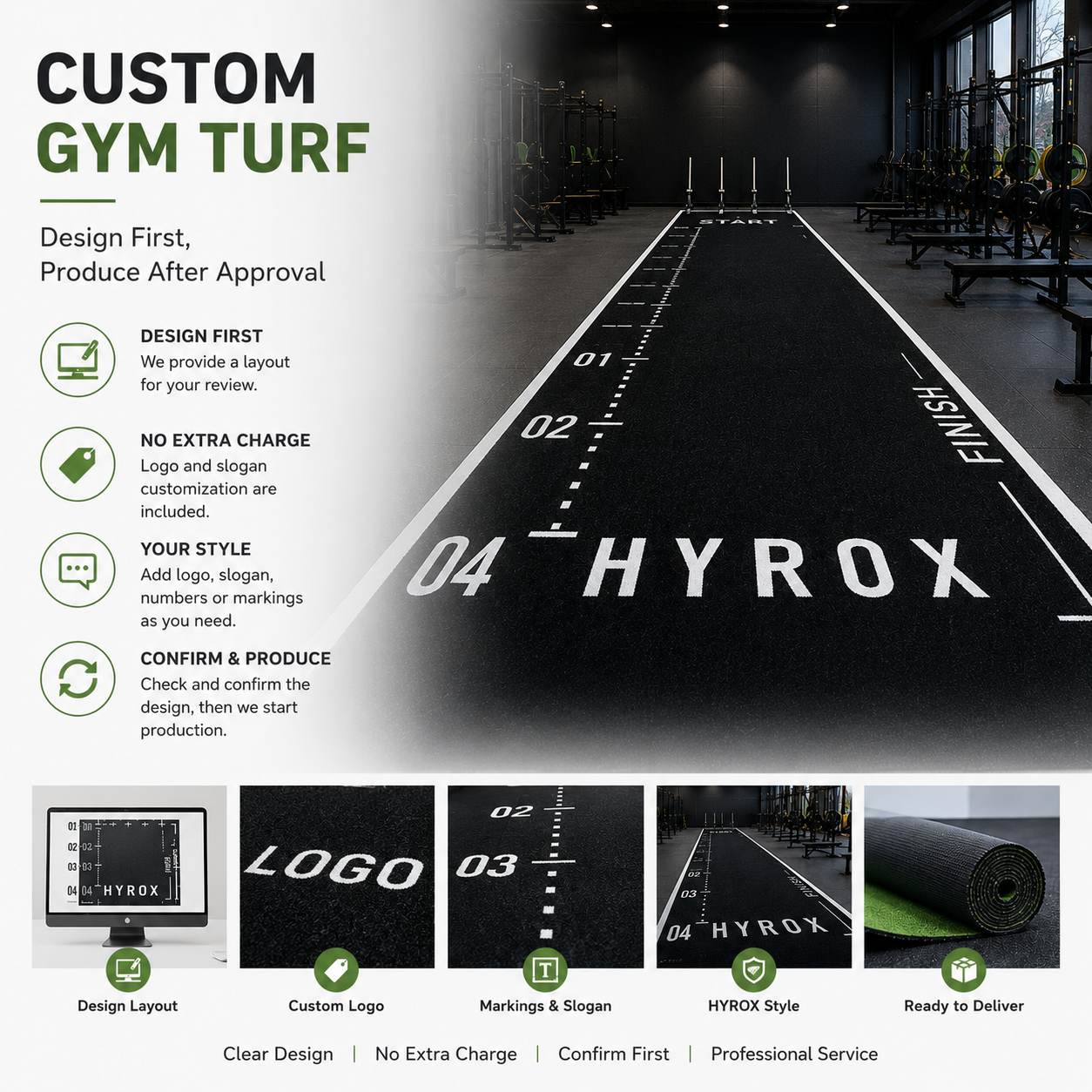 Custom Gym Turf Made Easier: Design First, Produce After Approval
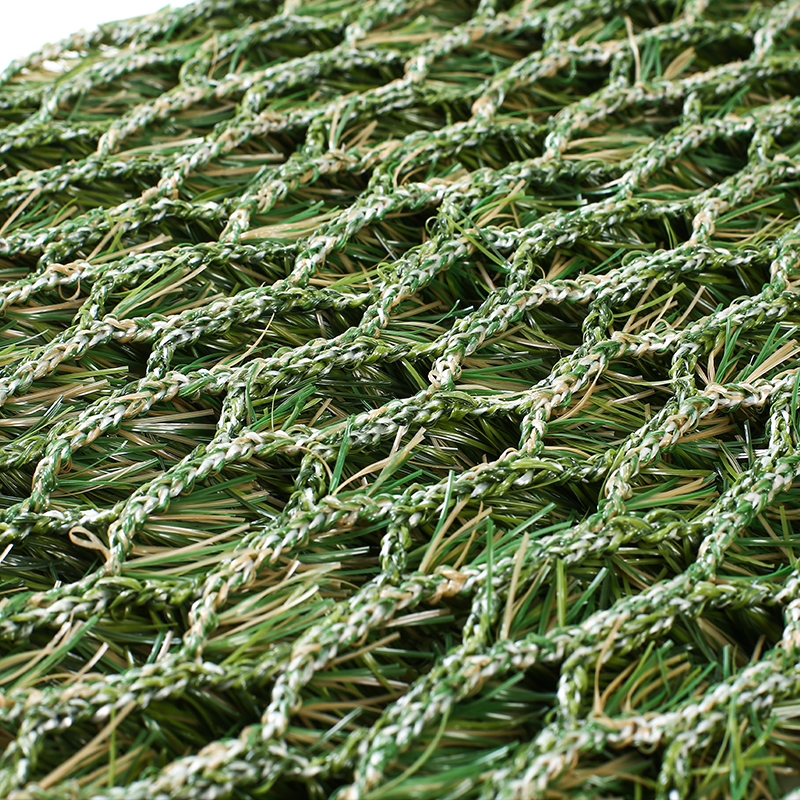 Hybrid Grass for Sports Projects: What Buyers Should Confirm Before Ordering
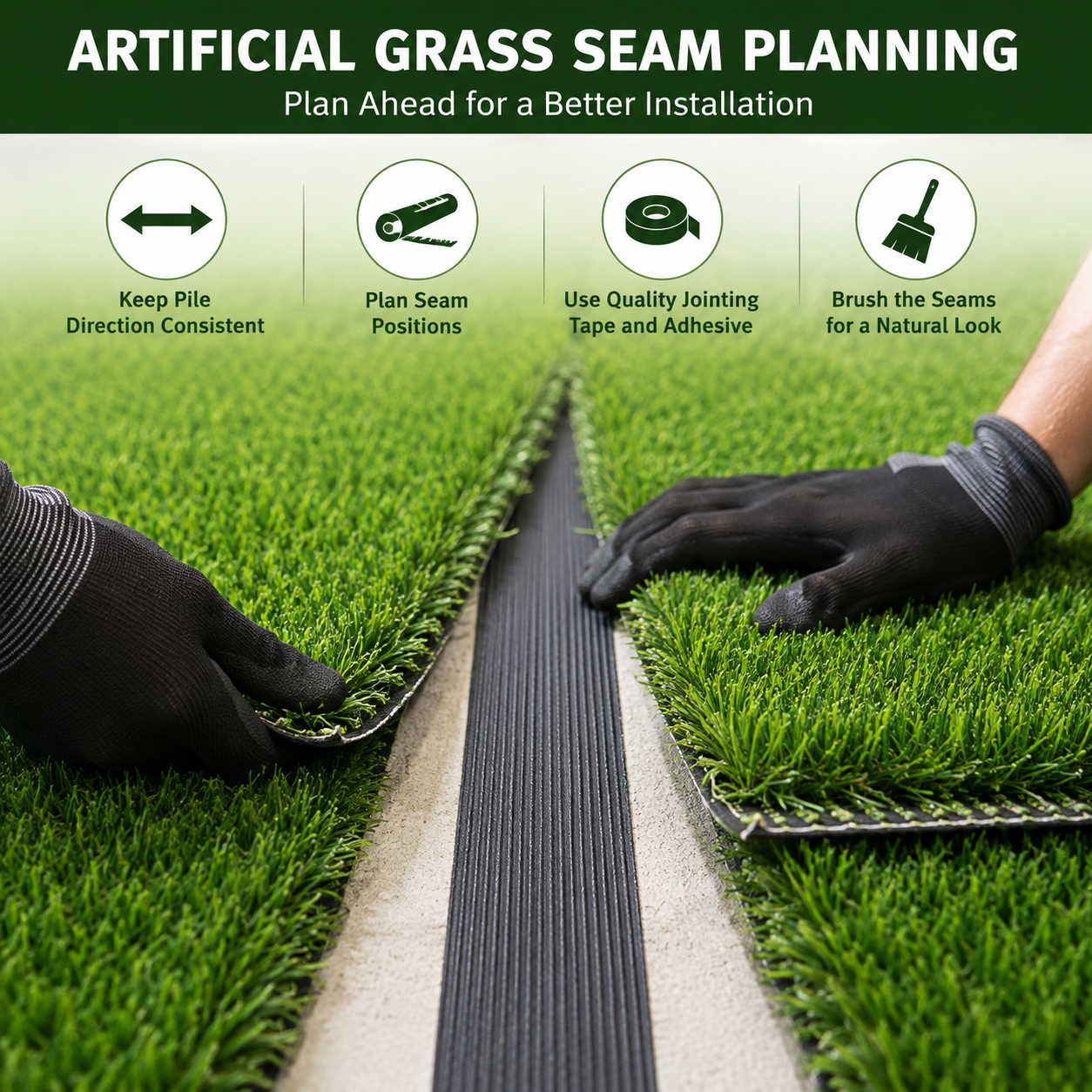 Why Seam Planning Matters Before Artificial Grass Installation