
Artificial Grass Installation Tips for Irregular Garden Projects
Not every artificial grass project starts with a perfect square lawn. Recently, one of our customers shared photos from a residential landscaping project that reminded us how much planning can affect the final result.
The garden was not large, but it included curved walkways, flower beds, several trees, and a small patio. Before cutting anything, the installer unrolled every piece of turf across the site. It took a little extra time, but it made it much easier to decide where the seams should go and helped reduce unnecessary material waste.
One of the first things they checked was the pile direction. Artificial grass reflects light differently depending on the direction of the fibers. If two rolls are installed facing opposite ways, they can appear to be different shades of green, even though they come from the same production batch. Making sure every roll faced the same direction avoided this common installation mistake.
The curved borders around the flower beds required the most patience. Instead of trying to make one large cut, the installer trimmed the edges little by little until the turf matched the shape of the garden. The finished result looked much cleaner and there was less wasted material than expected.
Another detail that made a difference was seam placement. Rather than putting joints through the middle of the lawn, the installer positioned them beside the garden path and decorative stone edging. Once the grass was brushed, the seams were difficult to notice during normal viewing.
Because the original soil had already been rebuilt with a compacted stone base, a layer of woven weed control fabric was installed before laying the grass. This helps separate the base from the soil and reduces the chance of weeds growing around the edges later.
The weather also played a role. As the afternoon temperature increased, the adhesive began curing faster than expected. Instead of spreading glue across a long seam, the installer worked in shorter sections to ensure the joining tape could be positioned before the adhesive started to set. Small adjustments like this often make installation smoother, especially during summer.
After all the joints were completed, the entire lawn was brushed with a power broom. Grass fibers are compressed during transportation, so brushing them upright immediately improves the appearance. It also helps blend the seams into the surrounding turf.
Before leaving the site, the installation team completed one final inspection. They checked every seam, trimmed any loose fibers, and made sure the drainage paths remained clear. Spending a few extra minutes on these final checks can prevent unnecessary maintenance later.
Looking back, the project did not require any special materials. What made the difference was careful planning before the first cut, attention to detail during installation, and taking time to finish the job properly.
Whether the project is a residential garden or a larger commercial landscape, these simple installation habits can improve efficiency, reduce waste, and create a more natural-looking artificial lawn.
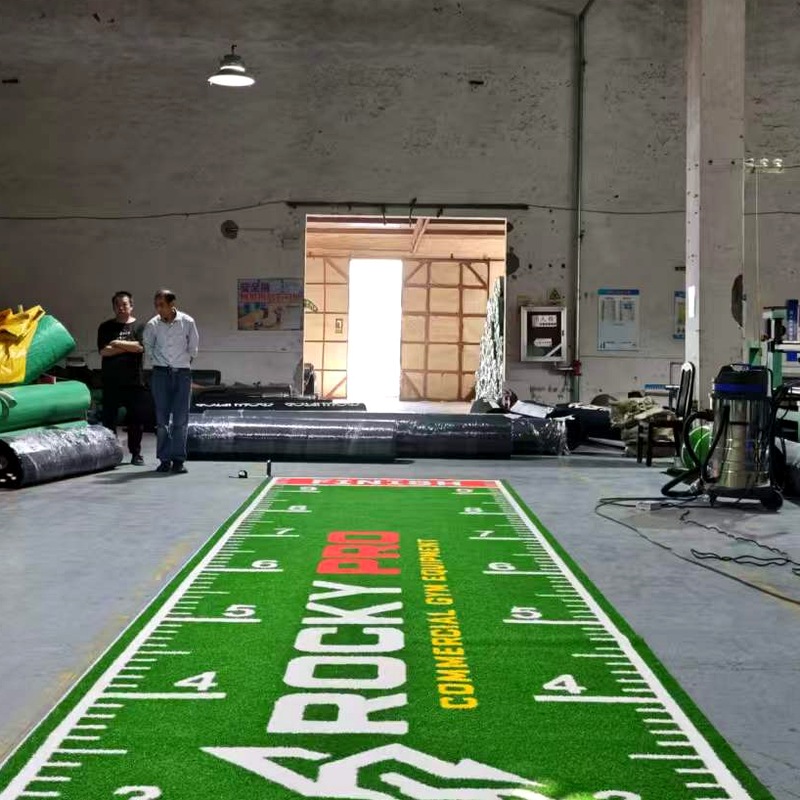 From AI Design to Real Gym Turf: You Bring the Idea, We Make It Real
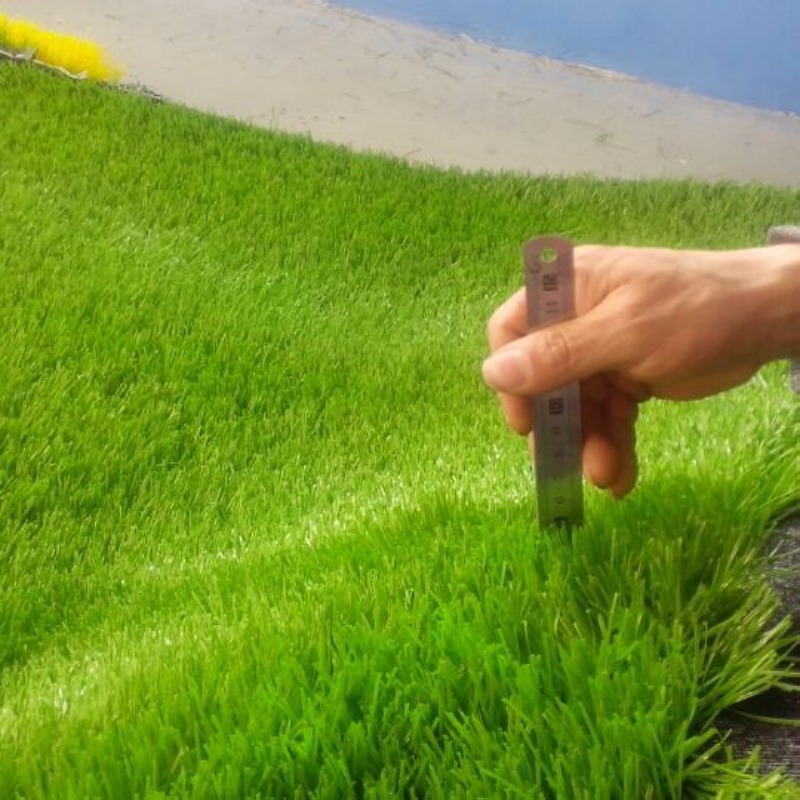 What Does Dtex Mean in Artificial Grass and Why Does It Matter?
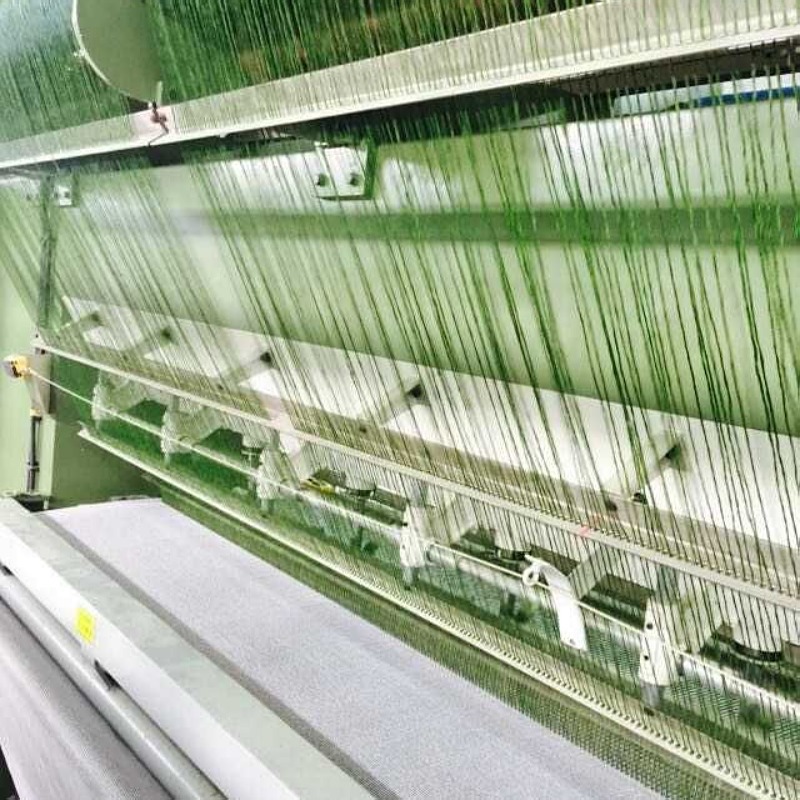 From Tufting to Rolling: The Final Steps Behind Artificial Grass Production
 Non-Woven Backing Pet Turf: A Flexible Option for Pet-Friendly Spaces