How to Choose the Right Artificial Turf for Schools, Parks, and Community Spaces
Introduction
Schools, parks, and community spaces are designed for daily use by people of all ages. Whether the project is a playground, multi-purpose sports field, kindergarten, public park, or recreation area, selecting the right artificial turf is an important step toward creating a safe, durable, and attractive environment.
Different applications require different turf specifications. Understanding the key factors before purchasing can help project owners, contractors, and distributors choose a product that meets both performance and budget requirements.
Understand the Intended Use
The first step is identifying how the area will be used.
For playgrounds and kindergartens, comfort and safety are often the highest priorities. Soft fibers combined with a suitable shock-absorbing base can help improve user comfort during daily activities.
Sports fields usually require turf that provides stable footing, consistent ball movement, and good wear resistance for regular training and matches.
Public parks and landscape projects typically focus on creating a natural appearance while requiring minimal maintenance throughout the year.
Choosing turf based on the actual application helps ensure long-term satisfaction.
Select an Appropriate Pile Height
Pile height has a significant impact on appearance and performance.
General recommendations include:
- 20–30 mm: Gardens, decorative landscaping, rooftop areas
- 30–40 mm: Parks, playgrounds, residential lawns
- 40–60 mm: Football fields and sports facilities
Shorter grass generally requires less maintenance and offers a neat appearance, while longer fibers provide a softer feel and improved sports performance.
Pay Attention to Yarn Quality
The yarn is one of the most important components of artificial turf.
High-quality yarn can provide:
- Better wear resistance
- Improved UV stability
- Consistent color retention
- A more natural appearance
- Comfortable surface texture
Common materials include PE, PP, or combinations of both, depending on the intended application.
Evaluate Density Instead of Only Dtex
Many buyers focus only on Dtex when comparing products. However, turf performance depends on several factors working together.
A balanced evaluation should include:
- Yarn shape
- Stitch rate
- Gauge
- Tuft density
- Pile height
- Backing quality
These specifications collectively influence durability, appearance, and overall performance.
Choose the Right Backing System
The backing keeps the turf stable throughout its service life.
A quality backing should provide:
- Strong tuft bind
- Good dimensional stability
- Efficient drainage
- Reliable installation performance
Proper drainage is especially important for outdoor projects exposed to rainfall.
Consider Local Climate
Environmental conditions vary between regions.
Projects located in hot climates should prioritize UV-resistant materials to help maintain appearance during long periods of sun exposure.
Areas with frequent rainfall should use turf systems with efficient drainage to reduce water accumulation.
Selecting products based on local weather conditions can improve long-term performance.
Installation Matters
Even high-quality turf may not perform well if installed incorrectly.
Important installation steps include:
- Prepare a stable base.
- Ensure proper drainage.
- Install turf rolls in the same fiber direction.
- Create neat and secure seams.
- Add infill where required.
- Brush the fibers after installation.
Professional installation helps maximize product performance and appearance.
Maintenance Is Simple but Important
Artificial turf requires less maintenance than natural grass, but regular care is still recommended.
Routine maintenance includes:
- Removing leaves and debris
- Brushing fibers to maintain an upright appearance
- Cleaning spills when necessary
- Checking seams periodically
- Replenishing infill if required for sports fields
Simple maintenance helps keep the surface looking clean and performing consistently.
Work with an Experienced Manufacturer
A reliable manufacturing partner can simplify the purchasing process.
Professional suppliers can provide:
- Product recommendations for different applications
- Custom specifications
- OEM and private label services
- Quality inspection before shipment
- Export packaging
- Technical support
Clear communication and stable production capability are valuable for distributors, contractors, wholesalers, and project buyers.
Conclusion
Choosing artificial turf involves more than selecting a grass color or pile height. Understanding the project requirements, technical specifications, installation methods, and maintenance needs helps buyers make informed decisions.
Whether the project is a school playground, community park, sports facility, or commercial landscape, selecting the appropriate turf system can contribute to a durable, attractive, and practical outdoor space for years to come.
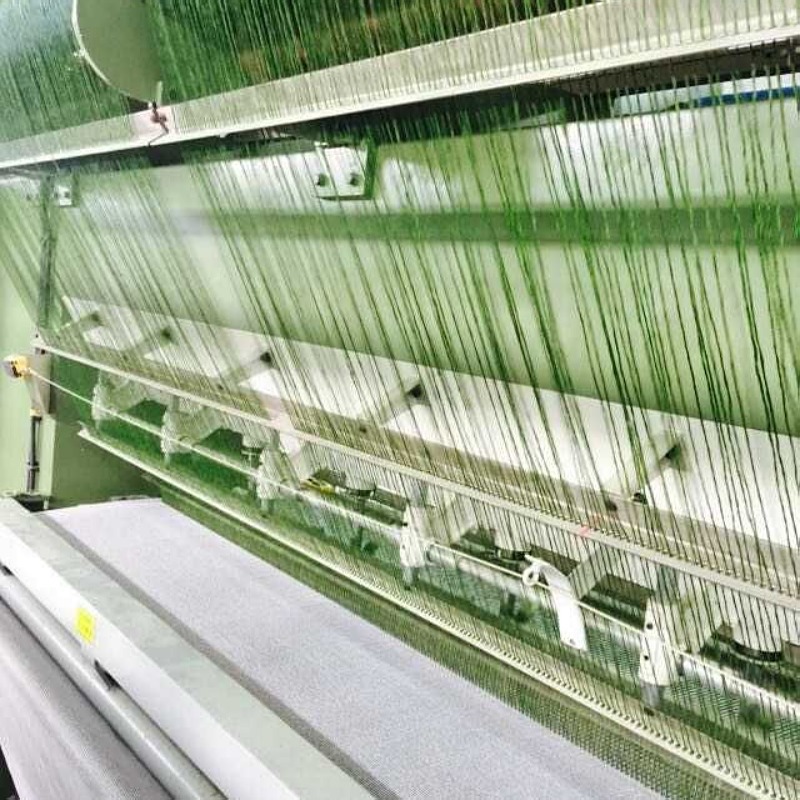 From Tufting to Rolling: The Final Steps Behind Artificial Grass Production
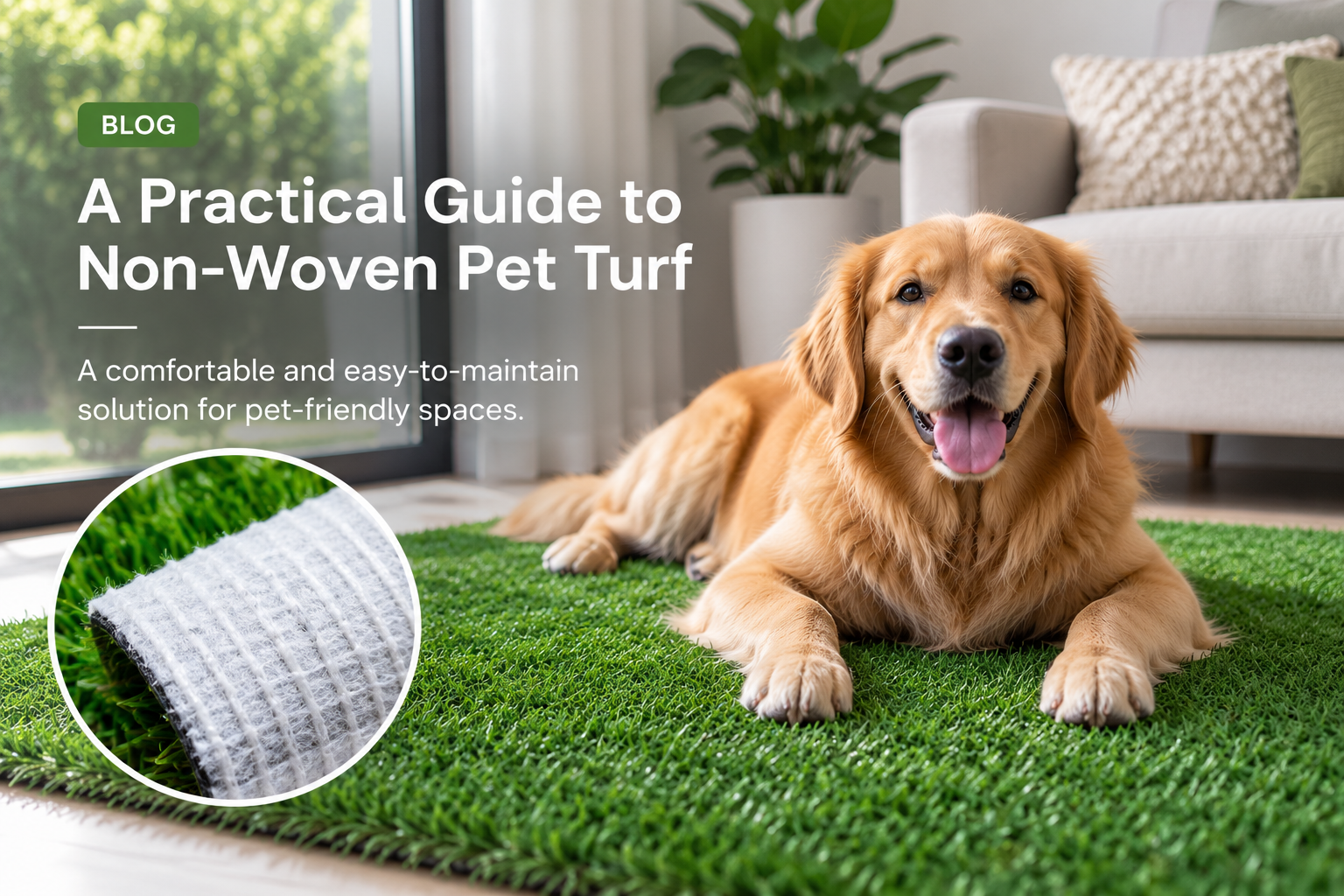 Non-Woven Backing Pet Turf: A Flexible Option for Pet-Friendly Spaces
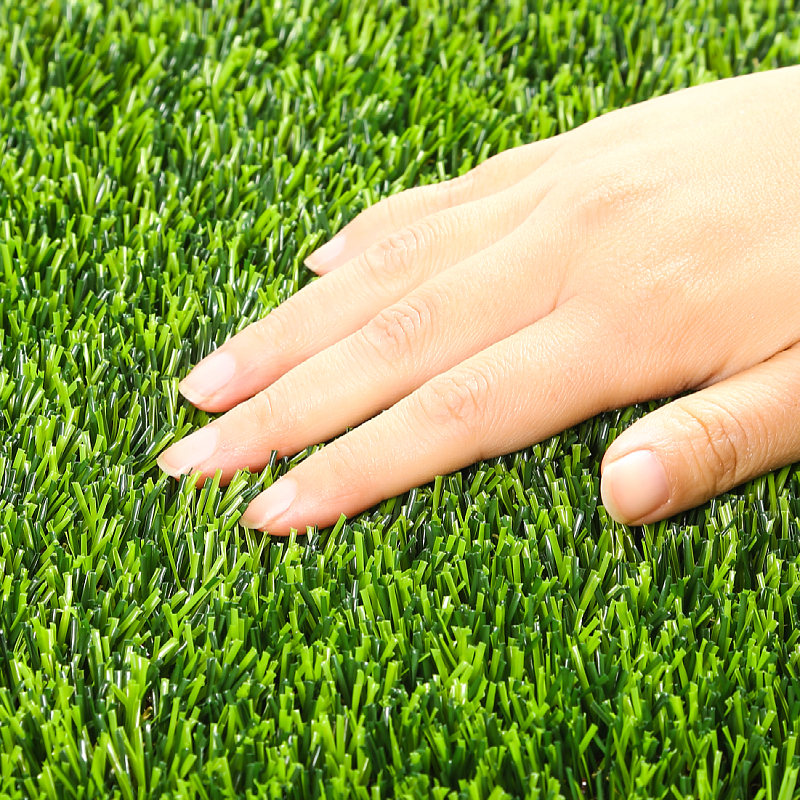 Artificial Grass Color Under Different Lighting: A Practical Guide for Buyers
 30mm Artificial Grass Is Not Always the Same: Key Details Buyers Should Check