
30mm Artificial Grass Is Not Always the Same: Key Details Buyers Should Check
When comparing artificial grass products, buyers often notice that two turf samples with the same pile height can have very different prices and appearances.
For example, two products may both be described as 30mm artificial grass, but their structure, density and performance can vary significantly. Understanding the key specifications behind the product can help buyers make a more accurate comparison.
Check the Real Pile Height
The first step is to measure the pile height correctly.
Artificial grass pile height refers to the height of the yarn above the backing, not including the backing layers. Measuring only the visible grass without considering the backing structure helps ensure different products are compared under the same standard.
Check Stitch Rate and Gauge
The stitching structure is another important factor.
A common method is to count the stitches within a fixed length, such as 10 cm, by checking the small tuft points on the back of the turf.
After measuring the stitch rate and the distance between two tufting rows (gauge), buyers can calculate the approximate turf density.
For many landscaping and leisure turf products, specifications such as 3/8 inch gauge are commonly used. Different gauge designs will influence the spacing and overall appearance of the turf surface.
Check Yarn Strength and Recovery
Beyond appearance, yarn performance also matters.
Pull resistance, also known as tuft bind strength, helps show how firmly the yarn is secured into the backing system.
Another practical check is the recovery ability of the grass fibers. After pressing the turf surface, quality yarn should be able to gradually return to its original position and maintain a natural appearance.
Compare the Complete Structure, Not Only One Number
Pile height is only one part of artificial grass specifications. Yarn quality, stitch rate, gauge, density, backing structure and fiber recovery all contribute to the final product performance.
When selecting artificial grass, buyers should compare the complete specification rather than focusing only on a single parameter.
A professional supplier can help explain the differences and recommend a suitable product based on the application, whether for landscaping, sports or commercial projects.
 30mm Artificial Grass Is Not Always the Same: Key Details Buyers Should Check
 How to Read an Artificial Grass Specification Sheet
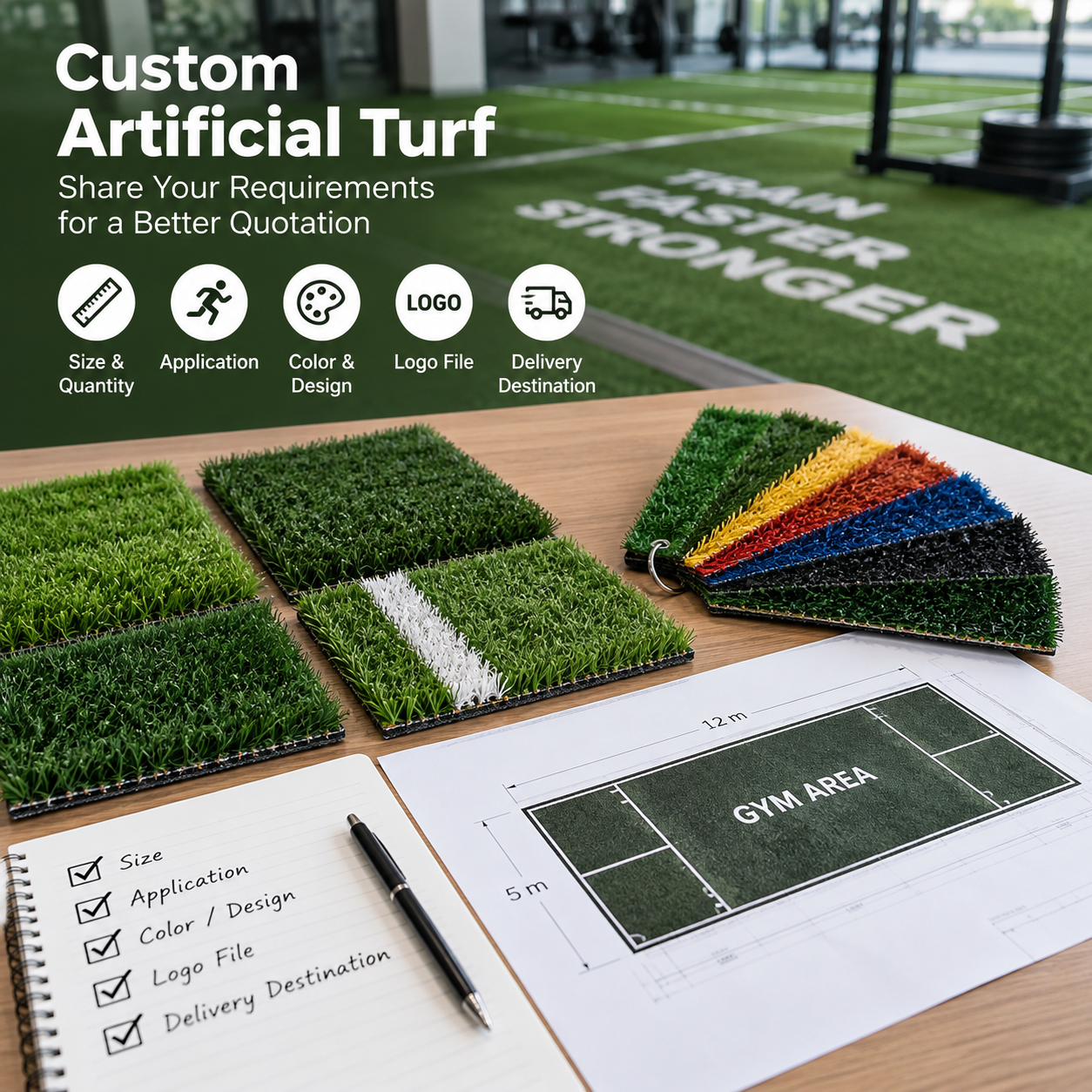 What Information Should You Send When Requesting Custom Artificial Turf?
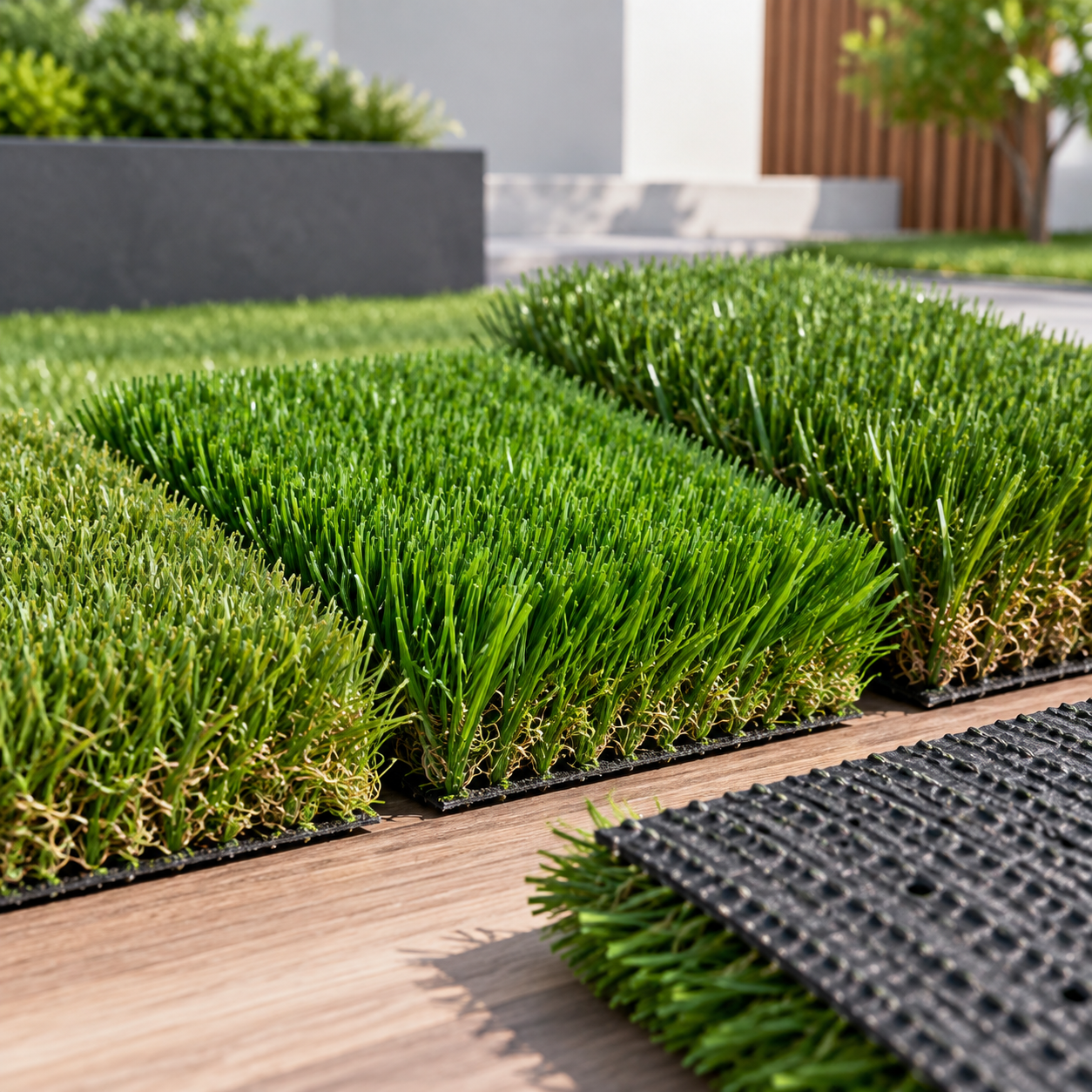 Why Artificial Grass Samples and Bulk Orders May Look Slightly Different