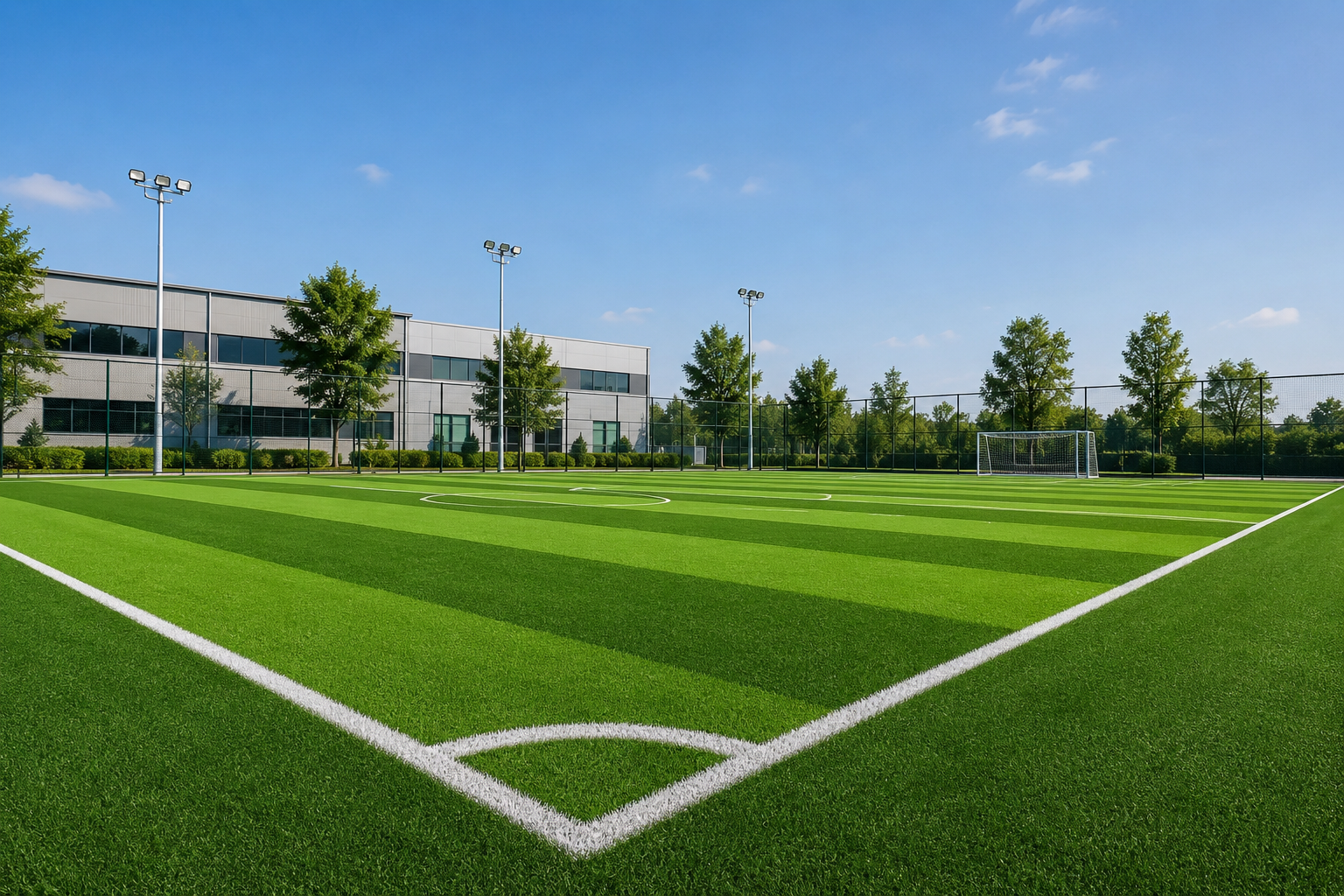
Why We Always Ask for a Site Drawing Before Producing Artificial Grass
One question comes up surprisingly often before production begins:
"Why do you need a drawing if we've already confirmed the total square meters?"
From a manufacturing perspective, the total area is only part of the information. A simple site drawing—even a hand sketch with basic dimensions—often helps us provide better recommendations before production starts.
Recently, a customer preparing a landscaping project sent us the total quantity but no layout. After a few emails, they shared a simple drawing showing several curved walkways, a seating area, and a small garden with trees. The drawing wasn't detailed, but it immediately changed how we discussed the order.
Instead of looking only at the total quantity, we could think about how the rolls would be used on site.
One topic we discussed was seam planning.
Every artificial grass project requires some cutting, but good planning can reduce unnecessary joints. We suggested reviewing the roll layout with the installation contractor before production so the seams could be positioned in less noticeable areas whenever possible. Although the final installation method is decided on site, discussing the layout early usually helps everyone prepare better.
The drawing also helped estimate where smaller off-cuts might be reused.
For example, narrow pieces removed from one section may be suitable around planting areas or landscape borders instead of becoming waste. This is one reason why planning before production can sometimes improve material utilization.
Another point that often surprises new buyers is roll identification.
Before packing, every roll is labelled with its specifications and production information. For larger orders, many customers also request roll numbering. This allows the installation contractor to match each roll with the site layout more easily after delivery.
Although numbering takes only a small amount of preparation, it can save time once the container arrives.
During production, our quality control team checks much more than the finished appearance.
Typical inspections include:
- Pile height consistency
- Roll width and length
- Surface weight
- Backing condition
- Overall visual appearance before packing
These checks help ensure every roll matches the confirmed production specifications before shipment.
Customers also ask whether they should order the exact project quantity.
Our recommendation is usually to allow a reasonable margin for trimming and adjustments. The exact amount depends on the project shape, installation method, and site conditions. A simple rectangular area generally creates less cutting waste than a garden with multiple curves, pathways, or obstacles.
This is another reason why a site drawing is helpful during the quotation stage.
Over the years, we've noticed that experienced contractors usually spend more time planning before they start cutting. They often lay the rolls on the ground first, confirm the pile direction, and check the overall layout before making the first cut. These small preparation steps can make the installation process more efficient and help reduce unnecessary waste.
For buyers sourcing artificial grass from overseas, good communication before production is just as important as selecting the right product specification.
Information that is useful to share includes:
- Overall site dimensions
- A simple layout drawing
- Areas with curves or obstacles
- Preferred roll width
- Delivery schedule
- Any special packaging or roll identification requirements
None of these documents need to be highly technical. Even a clear sketch with measurements often provides enough information for production planning.
Every project is different, and the installation decisions will always belong to the contractor on site. However, from a manufacturer's perspective, receiving complete project information before production allows us to prepare the order more efficiently and answer many practical questions before the material leaves the factory.
Sometimes the most valuable part of an order isn't a change to the product itself. It's simply having the right information early enough to help the project run more smoothly.
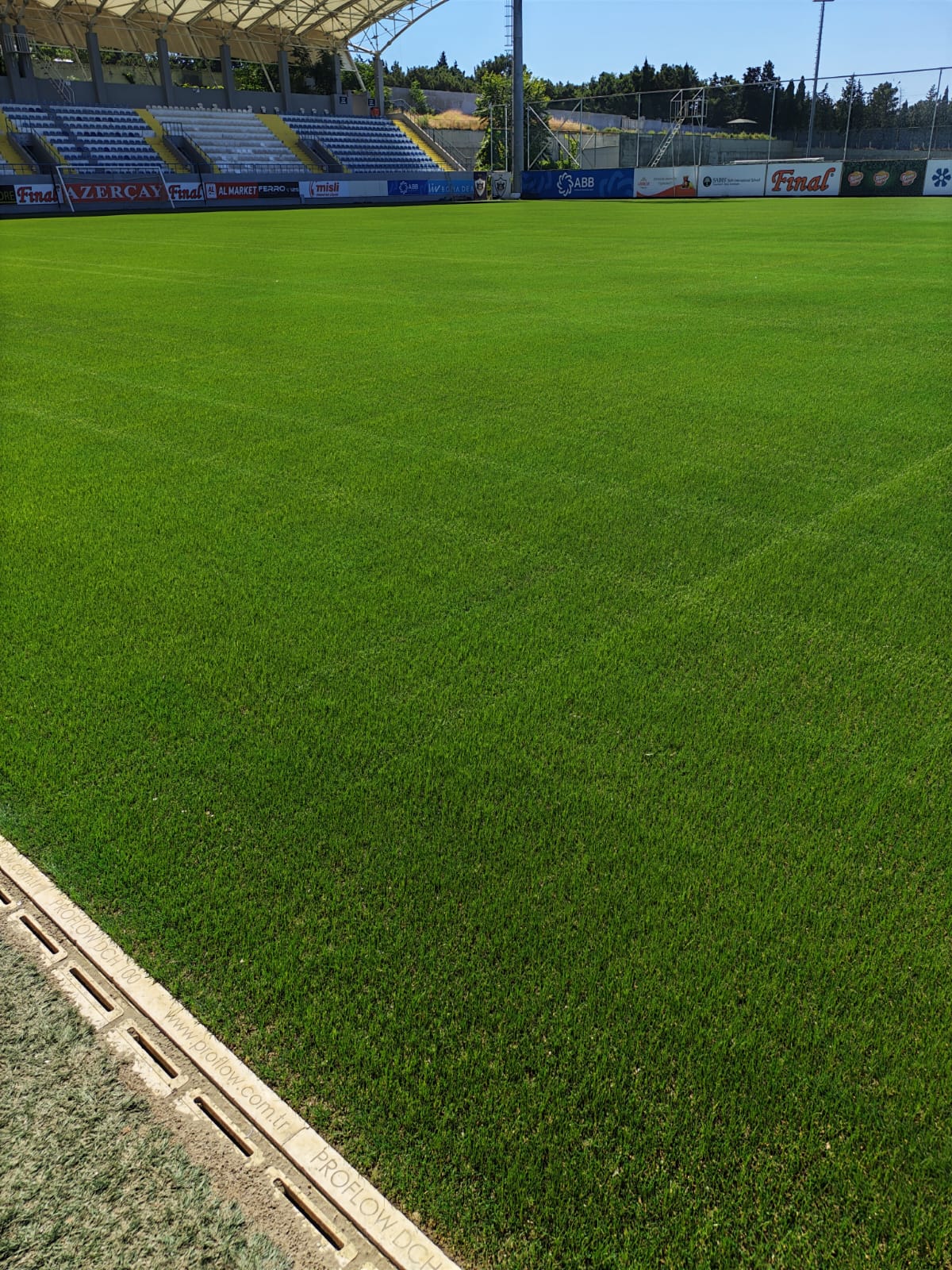 Why We Always Ask for a Site Drawing Before Producing Artificial Grass
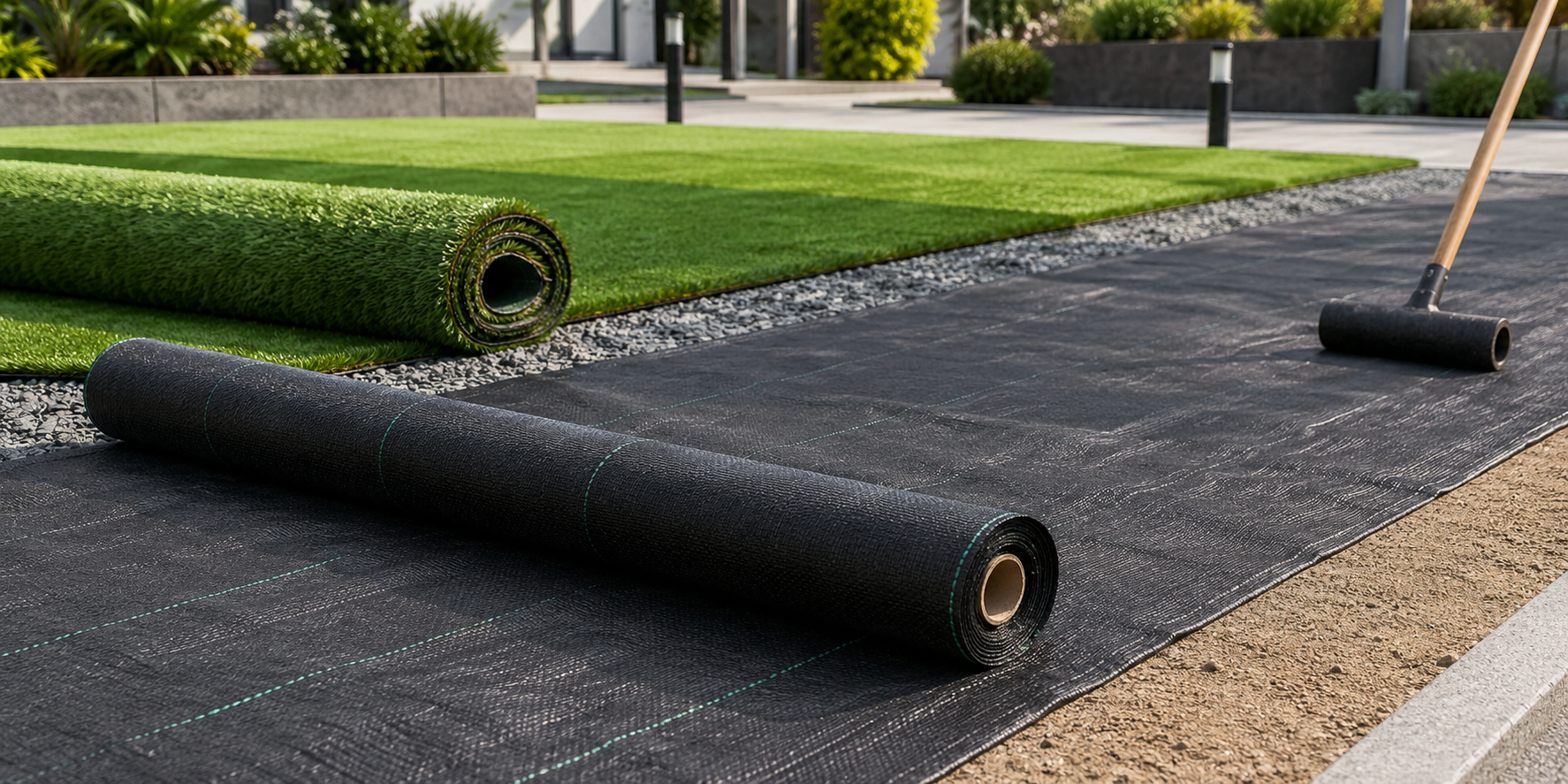 Why PP Woven Weed Mat Is Important for Artificial Grass and Landscaping Projects