
Artificial Plant Wall Panels: What Buyers Should Check Before Ordering
Artificial plant wall panels are often selected because they can quickly add greenery to commercial and decorative spaces. However, buyers usually discover that appearance is only one part of the purchasing decision.
Panel size, leaf density, backing structure, packaging, and installation method can all affect the final result.
Choosing the Right Style
Plant wall panels are available in different designs, from simple boxwood styles to mixed tropical leaves and layered jungle effects.
For a retail store or office reception area, a neat and uniform panel may be more suitable. For restaurants, hotels, event spaces, or feature walls, buyers may prefer a fuller design with different leaf shapes and color tones.
Before ordering, it is helpful to confirm:
- Indoor or outdoor use
- Wall dimensions
- Preferred leaf style
- Required panel size
- Desired density
- Installation method
A clear wall photo or simple drawing can make product selection easier.
Why Panel Size Matters
Common artificial plant wall panels may be supplied in sizes such as 50 × 50 cm, 40 × 60 cm, or 100 × 100 cm.
Larger panels can cover an area faster, while smaller panels may be easier to adjust around corners, columns, signs, or irregular wall shapes.
For project buyers, the most suitable size depends on the wall layout rather than choosing the largest option automatically.
It is also important to calculate a small allowance for cutting, edge adjustment, and possible replacement pieces.
Check the Backing Structure
The backing supports the leaves and connects each panel to the wall.
Buyers should check whether the grid is flexible enough for cutting but strong enough to hold the decoration in place. The connection points between panels should also be easy to match during installation.
For curved walls or columns, a more flexible backing can make fitting easier. For flat commercial walls, stable panel edges can help create a cleaner overall appearance.
Packing Can Affect the Final Look
Artificial leaves may be compressed during packaging and transportation. This is normal for many decorative plant products.
After unpacking, the panels should be placed flat and the leaves should be adjusted by hand. Light brushing and reshaping can help restore the original volume.
For larger orders, good carton packing is important because excessive pressure may make the leaves harder to arrange after delivery.
Installation Notes for Project Buyers
Artificial plant wall panels can be installed on different surfaces, but the fixing method should match the wall condition.
Common options include:
- Cable ties for fences or mesh
- Screws and washers for wooden or solid walls
- Hooks for temporary displays
- Frames for removable commercial decoration
The installer should first position several panels together before fixing them permanently. This makes it easier to check the leaf direction, panel joints, and overall pattern.
Maintenance Is Usually Simple
Artificial plant walls do not require watering, but regular dust removal helps maintain their appearance.
For indoor spaces, a soft cloth, light brush, or low-pressure air cleaning is usually enough. Outdoor panels may need more frequent cleaning depending on dust, rain, and surrounding conditions.
A Practical Product for More Than One Market
Artificial plant wall panels are used not only for permanent wall decoration. They can also be supplied for event displays, balcony screening, shop decoration, photo backgrounds, exhibitions, and landscape projects.
For distributors and project buyers, offering several styles and panel sizes can help serve different customer groups without changing the basic installation system.
The best result usually comes from matching the panel style, backing, packing, and installation method with the actual project—not simply choosing the densest-looking sample.
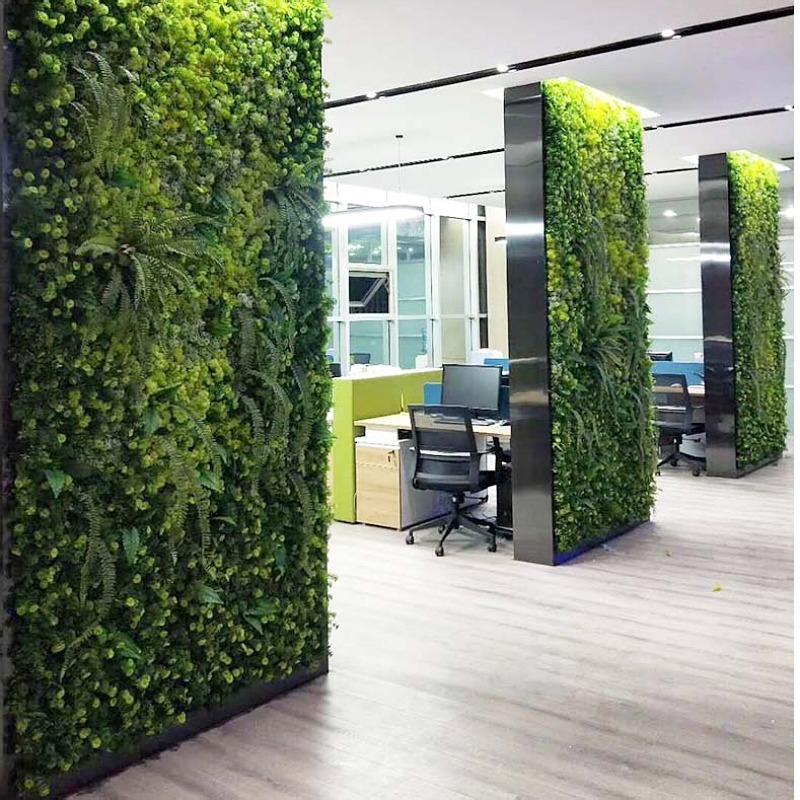 Artificial Plant Wall Panels: What Buyers Should Check Before Ordering
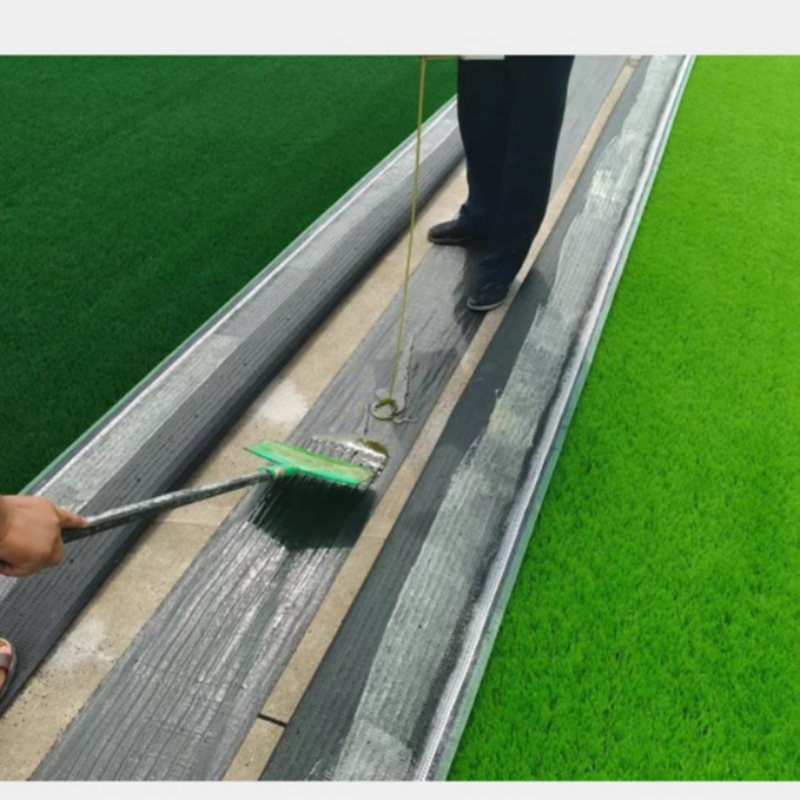 The Order Was Confirmed. We Checked Again—and Found an Important Change
 How to Choose the Right Artificial Turf for Different Projects
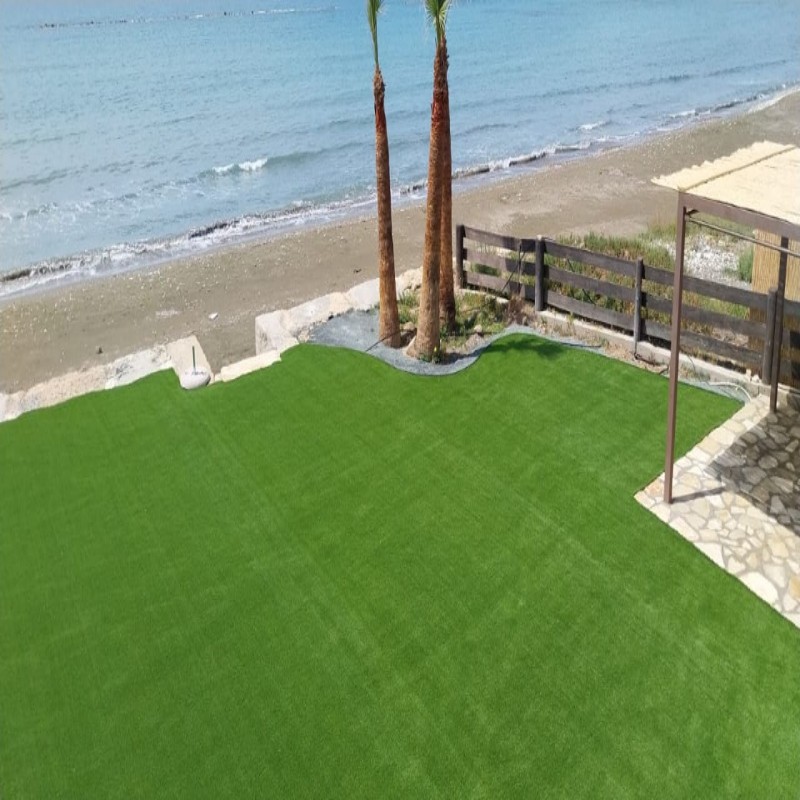 Why We Always Ask for a Site Drawing Before Producing Artificial Grass